





Gambling's ripple effect how it shapes societal norms and values
Gambling's ripple effect how it shapes societal norms and values
The Historical Context of Gambling
Gambling has existed in various forms for centuries, tracing back to ancient civilizations such as the Romans and Chinese, who utilized games of chance as a means of entertainment and socialization. Over time, gambling evolved from informal gatherings to structured activities within casinos, which have become a staple in modern society. This historical journey illustrates how gambling has woven itself into the fabric of cultural practices, influencing societal norms through its association with risk, reward, and leisure. If you’re interested in learning more, visit https://mythoswincasino.org/ for an in-depth look at the evolving landscape.

In contemporary times, the proliferation of gambling, particularly in the form of online platforms and state-run lotteries, reflects changing societal attitudes toward these activities. No longer viewed solely as vices, they are increasingly accepted as legitimate forms of entertainment. The societal shift has encouraged conversations surrounding responsible gambling, addiction, and the ethical implications tied to the industry, showcasing both the positive and negative impacts of gambling on community values.
The relationship between gambling and societal norms is further complicated by its portrayal in popular culture, which often romanticizes the lifestyle associated with gaming. Movies and television frequently depict characters engaging in high-stakes gambling, which can perpetuate myths about wealth and success being easily attainable through chance. This portrayal can shape public perception and influence individuals’ attitudes towards gambling, further embedding it within the societal landscape.
The Social Impact of Gambling
The social implications of gambling extend beyond individual players and can significantly affect families and communities. For many, the thrill of gambling can lead to social bonding experiences, such as group outings to casinos or friendly poker nights. However, this aspect can also mask the darker realities of gambling addiction, which can fracture relationships and lead to financial ruin. When someone struggles with gambling, it not only impacts their own life but reverberates through their family and social circles. In this context, the rise of MythosWin has added new dimensions to the gaming experience.
Moreover, the normalization of gambling has influenced the development of policies and regulations surrounding it. Governments often rely on gambling revenue to fund public services, which can create a dependency that complicates societal perspectives on gambling. This relationship between tax revenue and gambling can lead to increased acceptance, further integrating it into community life while simultaneously raising concerns about the social costs of gambling addiction and crime.
The rise of gambling has also sparked movements advocating for responsible gaming practices. Organizations and policymakers are increasingly focusing on consumer protection, awareness campaigns, and support systems for those affected by gambling-related problems. This shift reflects an understanding of the dual nature of gambling’s impact on society, promoting both enjoyment and responsible behavior while addressing the potential risks associated with it.
Cultural Perceptions of Gambling
Across different cultures, gambling is perceived through various lenses, significantly shaping societal values and norms. In some cultures, gambling is viewed positively, associated with luck and fortune. For instance, in many Asian societies, games like mahjong and baccarat are integral to social gatherings and festivals, highlighting a communal aspect of gambling that fosters connection and tradition. This cultural acceptance often leads to a vibrant gambling environment where social norms around risk-taking are more liberal.
Conversely, in cultures where gambling is viewed negatively, it can be stigmatized and even criminalized. These perspectives often stem from religious beliefs or historical contexts where gambling was associated with immorality or social decay. Such cultural attitudes can lead to strict regulations and a lack of access to gambling, which in turn can impact community engagement and economic opportunities in those areas.
The portrayal of gambling in media further shapes cultural perceptions, often reinforcing stereotypes or misconceptions. For instance, while films may glamorize high-stakes gambling, they can simultaneously propagate harmful myths about the feasibility of winning. This dual representation complicates the societal view of gambling, leading to a disconnect between the reality of gambling outcomes and cultural narratives surrounding them.
The Economic Ripple Effect of Gambling
The economic impact of gambling is profound, influencing job creation, tourism, and overall economic growth. In areas where casinos are established, local economies often experience a surge in employment opportunities, ranging from direct jobs in gaming to indirect roles in hospitality and services. This economic influx can bolster community resources, improve infrastructure, and enhance the overall quality of life for residents.
However, the economic benefits come with caveats. The potential for addiction can lead to economic strain on individuals and families, translating to increased demand for social services and healthcare. Furthermore, communities reliant on gambling revenue may find themselves in precarious positions, especially during economic downturns when discretionary spending decreases. This reliance can skew societal values towards accepting gambling as an economic necessity rather than a leisure activity.
As the gambling industry continues to evolve, the introduction of online gambling platforms has expanded its reach, creating new economic opportunities while also raising concerns about regulation and responsible practices. The challenge remains for society to balance the economic benefits of gambling with the ethical responsibilities of protecting vulnerable populations, ensuring that the industry’s growth does not come at the cost of societal welfare.
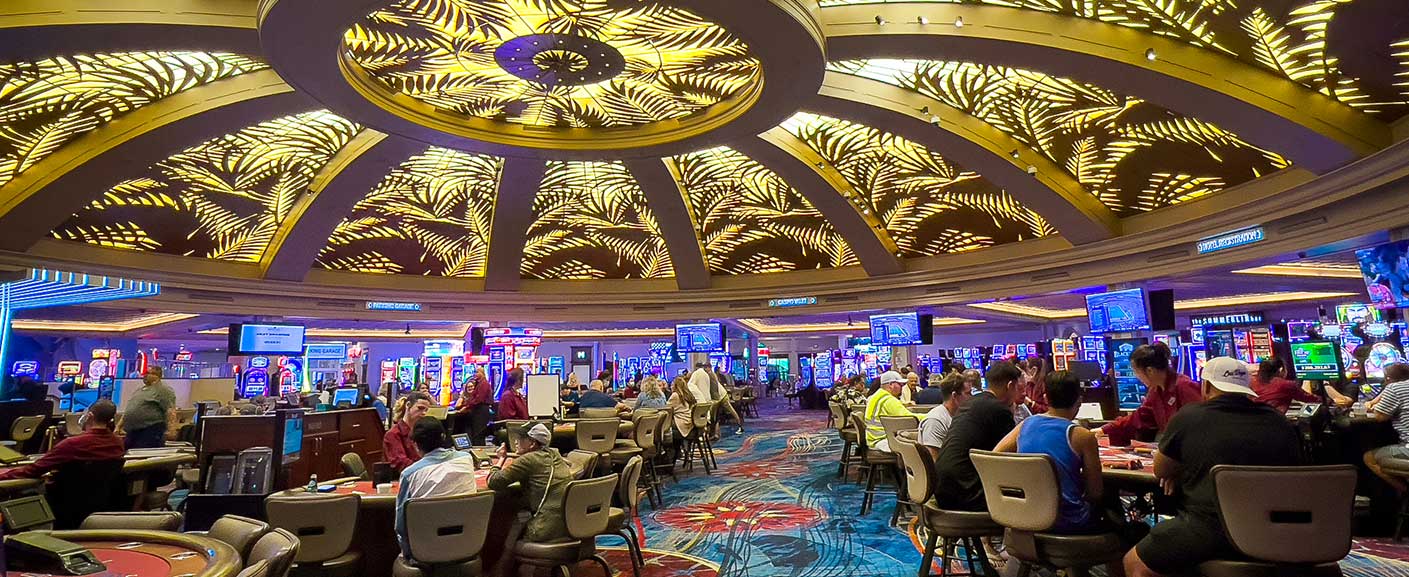
Conclusion: The Future of Gambling and Its Societal Implications
As the landscape of gambling continues to evolve with technological advancements and changing societal attitudes, its ripple effect on norms and values will likely become more pronounced. The challenge lies in navigating this complex interplay between leisure and responsibility, ensuring that the benefits of gambling do not overshadow its potential risks. Future discussions around gambling will need to consider how to promote healthy engagement while addressing the issues of addiction and social harm.
The conversation surrounding gambling is not merely about personal choice but involves understanding its broader societal implications. Continued education, advocacy, and dialogue will be vital in shaping a future where gambling can coexist with responsible practices and positive community values. As we move forward, it is crucial to foster an environment that prioritizes well-being while still recognizing the enjoyment that gambling can bring to many.
This website serves as a resource for those interested in the multifaceted world of gambling. By providing valuable insights and information, we aim to promote informed decision-making and responsible engagement in the gambling landscape. We are committed to supporting users in navigating this dynamic field, ensuring a balanced approach to enjoyment and responsibility.
Post a Comment
You must be logged in to post a comment.